
Directional Drilling Bits for HDD: Choosing a Pilot Bit for Soil, Cobble or Rock
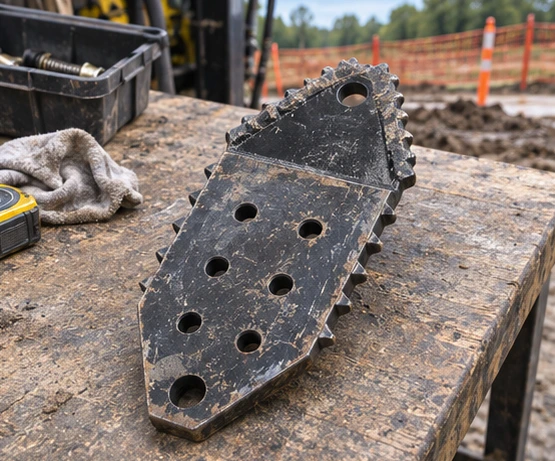
A pilot bit has two jobs in the purchasing conversation. Its cutting face must suit the expected formation, and its mounting arrangement must fit the tool behind it. A photograph of an aggressive cutting face answers only the first question, and even that answer depends on what the ground actually contains.
Describe the ground in useful terms
“Hard ground” might mean dry compacted soil, a layer of cobbles or competent rock. Those conditions present different problems to a steering assembly. Give the tooling supplier the available ground investigation, the expected sequence of materials and what crews observed on nearby crossings. Note where information is missing.
Mixed ground deserves a line of its own. A crossing that begins in workable soil and ends in a harder layer cannot be described adequately by naming the easiest material. Ask the supplier which interval governs the proposed selection and what alternative the crew should have reviewed if the conditions change.
- Ground description
- Cutting-face selection
- Housing and fastener match
Match the bit to the actual housing
A replaceable blade bolts to a mating face. Inspect the drawing for the bolt pattern, hole size, seating surface and fastener requirements. Counting holes alone can leave two visibly similar plates on the shortlist. Compare the complete pattern against the existing housing record before accepting a substitute.
A rock bit is a different purchasing problem. Its connection and the drive system behind it must be identified together. A suitable cutting structure cannot turn an incompatible housing into a rock drilling assembly. Tell the supplier whether the job uses a conventional steering assembly, a dual-rod system or another approved drive arrangement.
| Inquiry detail | Useful evidence | Decision it supports |
|---|---|---|
| Changing formation | Ground report plus location of changes | Which intervals require tooling review |
| Existing blade | Mounting-face photo and part reference | Pattern, seat and fastener identification |
| Rock drive | System designation and connection drawing | Whether the proposed bit can be driven by this assembly |
Make the quote describe a usable spare
Separate a bare blade from the hardware and adapter needed to mount it. Ask the supplier to show which pieces are included, which are reused and which must be ordered separately. If the same photograph appears beside several sizes, insist that the written quote line identifies the selected variant.
For repeat purchases, retain a photo of the mounting face as well as the front view normally used in a catalog. The mounting photograph and the drawing revision often settle a replacement question faster than another picture of the teeth. Use the current manufacturer's installation and inspection instructions once the correct hardware has been identified.
Is a wider pilot blade an interchangeable upgrade?
Width is just one field. The housing must accept the mounting arrangement, and the operator and supplier must review the effect of the proposed tool in the expected formation. Ask for a drawing showing the full blade outline and bolt positions. If two options share a pattern, keep the size and cutting-face information alongside it so the buyer can distinguish the alternatives.
Further reading · Richdrill product information · Vermeer technical guide