
HDD Drill Rod Maintenance: Thread Care, Storage and Receiving Inspection
The moment a rack returns from a job is a good time to separate identification, condition and storage decisions. A rod that looks clean can still have an uncertain service history. A rod with a dirty protector may be perfectly identifiable but require inspection before it can join the next string.
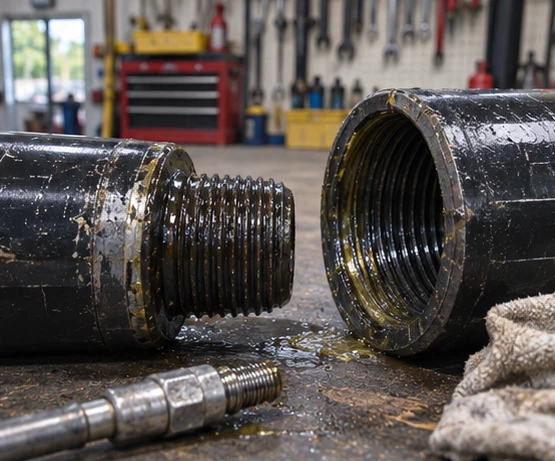
Look at the ends as well as the body
Use the manufacturer’s inspection procedure for the actual rod. Record visible damage to threads and shoulders, unusual wear and any concern about straightness. If acceptability is uncertain, identify and isolate the piece for qualified review. A purchasing guide or a photograph cannot establish that a used rod is fit for service.
Keep track of where a defect was found. A recurring mark at similar positions on several joints is more informative than a note saying “bad threads.” The crew may need to examine mating equipment or handling practices. Save clear photographs and the affected rack reference so that assessment can be made with the right context.
- Identify each rack
- Record and separate questionable joints
- Release accepted stock with traceable labels
Protect the connection during storage
Keep the pin and box clean and use suitable protectors for their geometry. A recessed protector at a box end and a projecting protective cap on a pin end have different shapes. An orange face seen from across a yard does not tell a receiver whether the correct protector has been fitted or whether debris is trapped beneath it.
Store rods on appropriate supports and preserve identification when breaking down bundles. Keep different connection types separated even if their shaft diameters look alike. Use the rod manufacturer’s guidance for thread compound, cleaning and storage. The product, application method and service interval are equipment-specific decisions.
| Observation | Record | Next decision |
|---|---|---|
| Missing or damaged protector | Bundle and affected end | Inspect the exposed connection under the applicable procedure |
| Uncertain thread identity | Markings and both end views | Obtain identification before mixing stock |
| Repeated marks on several joints | Locations and service history | Refer the pattern and mating equipment for assessment |
Make receiving inspection useful to the next crew
Compare the delivered count and identifiers with the packing list. Record any missing protectors, damaged bands or signs of impact before the evidence is lost in general stock. Where a bundle has been disturbed, follow the site's approved handling procedure and have its condition assessed before it is moved.
Close the record by identifying which pieces were accepted, which remain under review and who has the photographs. For replacement procurement, pass on the original part reference, connection and working length. That handover links an inspection finding to a specific orderable item without assuming that every rod from the same rack needs the same disposition.
Should a new-looking thread protector stay with a rejected rod?
Keep the inspection record and disposition clear before moving any accessories into general stock. A sound-looking protector does not establish the condition of the thread beneath it. If parts are separated, preserve the identification of the affected rod and follow the site procedure for segregation. That prevents an item awaiting assessment from being returned to a working rack by mistake.
Further reading · Richdrill product information · Vermeer technical guide